The plans that could destroy a mountainside forest
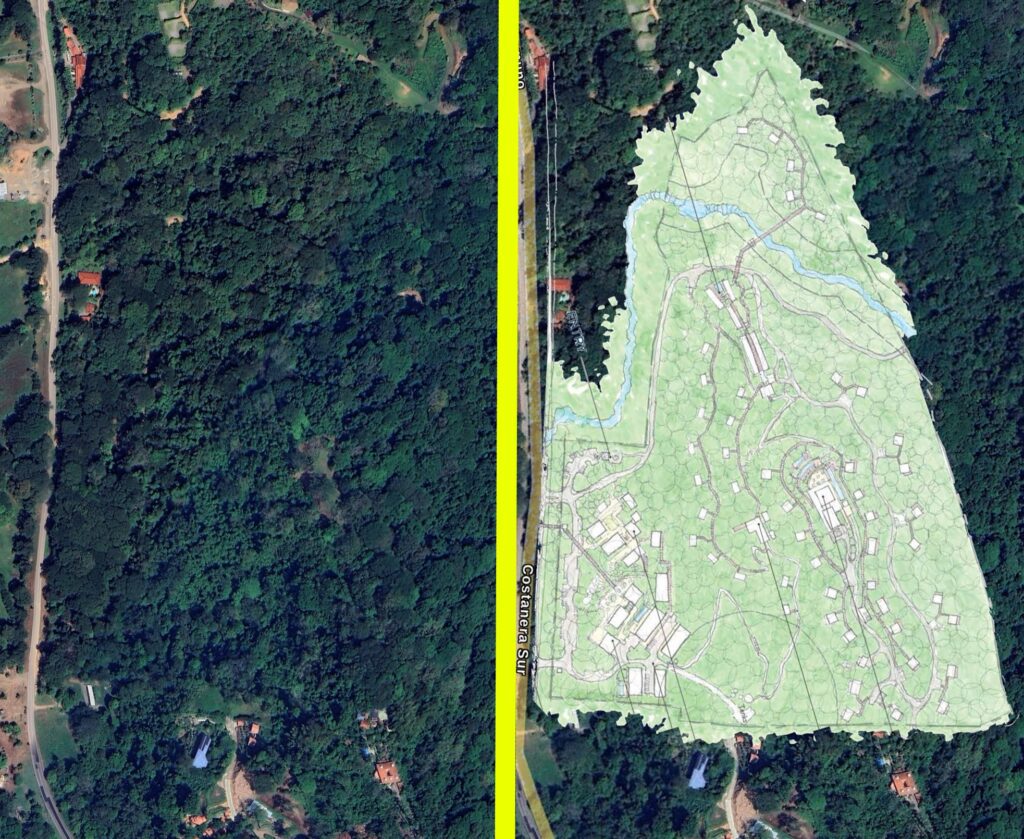
The plans that could destroy a mountainside forest The Dominical Project is a proposed $700 million mega project, planned to be built in and around Dominical. The project is split into two main parcels: Dominical Ridge, a 60 acre forested site on the mountain above Dominical, and Playa Dominical, currently pastured land, south of town. On Dominical Ridge, the proposal is to build up to 90 luxury housing units, and a high end luxury hotel on the ridge. Looking at their plan, shown below, it’s clear that many trees would have to be cut in order to carry out this construction work. What isn’t as immediately obvious is the amount of destructive reshaping of the mountain that the developers deem necessary. This is the story of how we discovered the extent of the horror that is planned. At the beginning of the last dry season, approximately two acres of land on the Dominical Ridge property were cleared of undergrowth, many trees cut, and most of the area graded. Several building plantels with reinforcing rock embankments were installed, and a short section of road was constructed. This all took place on the part of the “Dominical Project” property that is currently classified as “mature forest” but is slated to host a super-luxury hotel and somewhere between 30 and 92 luxury houses. This is only a small portion of the property, and the developers clearly are not quite ready to kick the whole project off. That led us to ask why this work had been initiated. We began to investigate. Read More
A $27 million museum in Dominical?
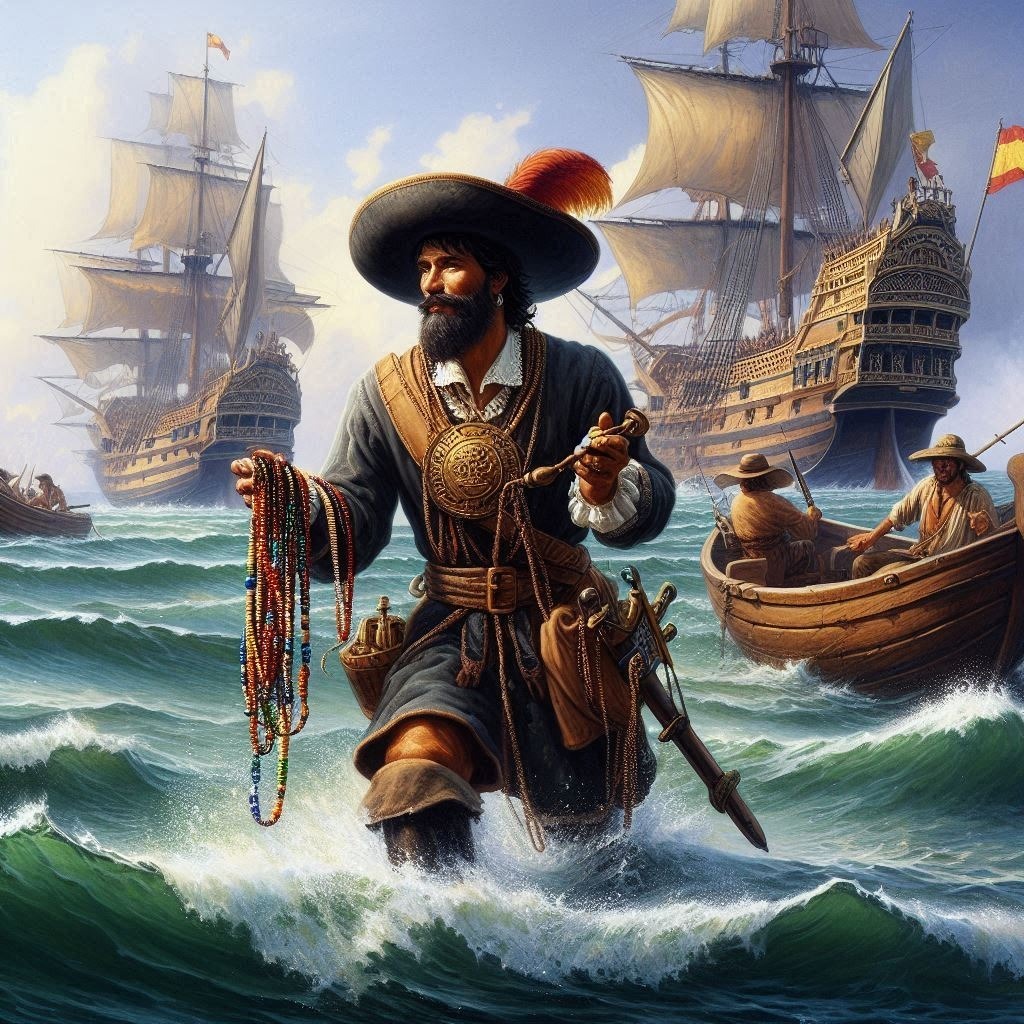
A $27 million museum in Dominical? The $700 million Dominical Project has many shocking elements: four luxury hotels totaling 500 beds plus 450 condos, town houses, and villas adding another 1,000 or so beds to a town with 400 people. A wastewater plant in the Maritime Zone. A desalination plant. You can read the details here. But wait, there’s even more: How about a three-story $27 million museum? OK, let’s be fair. Museums can be good things. Visitors can learn about art, history, culture and nature. Spending time in a museum can be very enriching and enlightening. And one could even imagine that a museum might have a positive effect on the local economy. It could, maybe, bring in tourists who would sleep in local hotels, take local tours and eat at local restaurants. Maybe…. But there are other factors to consider. First, location. Developers Yoder et al propose to put the museum in an area south of town that is currently bucolic seaside pastures. There is also a question about whether this area is currently or was formerly designated as a wetland. That is not the right place for a three-story museum. Second, if their goal was to help the community, would a $27 million museum be the best way to accomplish that goal? Seems pretty unlikely. How about asking the local business owners and community leaders what they would do with $27 million? Pretty sure they would have some great ideas about how to help the community. For example, how about building some affordable housing? We are willing to bet that if the community had $27 million to spend it would not be spent on a museum. And finally, consider the context. If Yoder et al were proposing to build only a museum, one could look at their proposal in a more positive light and give them the benefit of any doubt one might have. Maybe they really do want to help the community by building a tourist attraction. Alas, no. Their plan to build luxury hotels, villas and more (including in 60 acres of mature forest) would absolutely dominate and destroy existing businesses in Dominical, to say nothing of its unique vibe. For whatever reason, they also stuck a museum in their proposal, maybe to soften the overall blow. Earlier this year, Osa’s environmental attorney general Camilo Flores gave an interview in which he described the large developments that were being planned in this area as equivalent to “neocolonialism”, with the influx of capital from richer nations leading to the spiraling of real estate prices, threatening to put land and housing in the desirable Dominical and Uvita areas out of reach of local residents. When America’s OG colonialist, Columbus, landed on the shores of North America, his intentions were not exactly altruistic. He wanted to acquire riches and he didn’t care what happened to the local people in the process. But he was clever. He described his strategy for getting what he wanted: “I gave them many beautiful and pleasing things, which I had brought with me, for no return whatever, in order to win their affection…and that they might be eager to search for and gather and give to us what they abound in and we greatly need.” His strategy worked then. But now people are wise to that strategy. So, thanks for offering the museum, guys, but no thanks.