What Is The Risk?
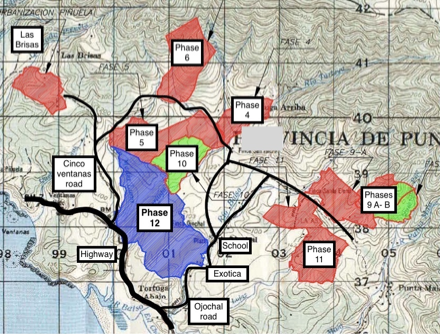
The 200-acre (81-ha) Phase 12 parcel in Ojochal is large enough for hundreds of lots and homes.
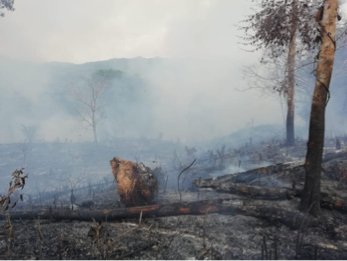
This land is locally famous because in 2019 it was set on fire (intentionally, based on the opinion of the fire crew). Many residents of Ojochal saw—and inhaled—the smoke, and at least one person had to be evacuated. We can never know for sure all of the devastating effects on wildlife in the area.
The developer began the legal paperwork to create lots for sale, but one detail matters: The land is forested. In Costa Rica you cannot “change the use of the soil” (cambio el uso del suelo) without strict permission. Doing so is a criminal—not civil—offense.
This law is one of the reasons Costa Rica has been able to successfully reforest land since the late 1980s, when up to half of the original rainforests had been cleared for logging, cattle ranching, and large-scale agriculture. Today, once trees reach a certain size and the canopy closure reaches a certain threshold, the land is legally considered to be forested. Both primary and secondary forests are legally protected.
What Is Osa Vive Doing About It?
This case brought us together to found Osa Vive!
Based on a report from the technical experts of OIJ and other professionals, much of Phase 12 is forested. Our legal team believes that the fire did not change this fact: If the land was forested before the fire, that is all that matters.
Osa Vive’s legal team promptly filed paperwork to stop the development of Phase 12—and it worked. The land has been undisturbed, with the trees quietly growing and the wildlife returning. The intended development has not happened.
The case is still working its way through the legal system. We have filed a criminal complaint against the developer. For now, we are thrilled to have protected such a large piece of forest. This outcome is a major victory for Osa Vive—and for everyone who cares about the Southern Zone. It is also a major statement to developers: Follow the law or face the consequences.